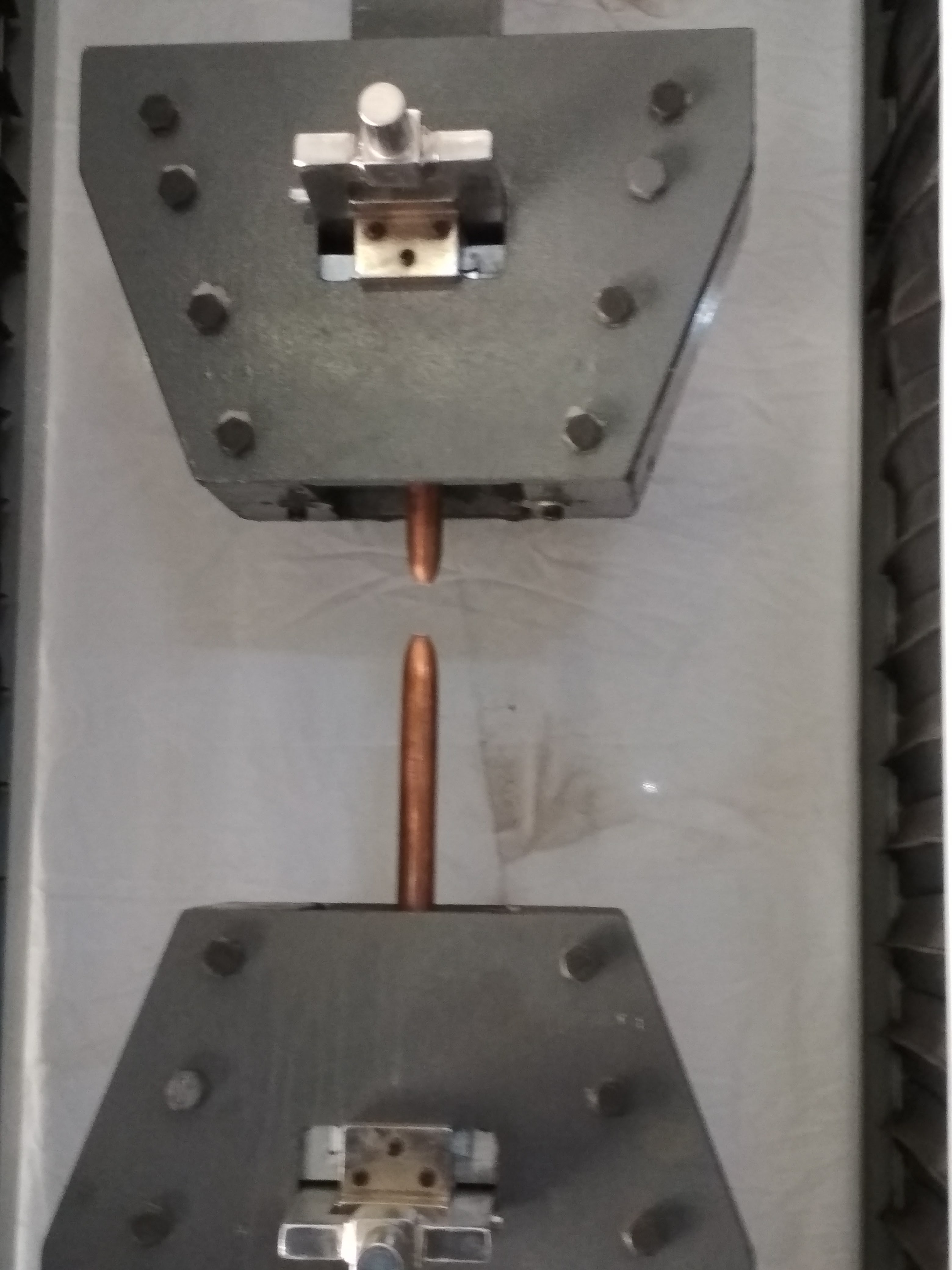
Introduction to Tensile Testing Machine
A tensile testing machine, also known as a tensile strength tester or tension testing machine, is essential in materials science and engineering, enabling precise strength and durability assessments. Tensile testing, widely conducted in laboratories, subjects a sample to controlled tension until it reaches a breaking point, revealing valuable data on material properties. Kamal Metal Industries (KMI) is trusted by over 11,000 customers for accurate and reliable tensile testing solutions, including universal testing machines, tailored for various materials and applications.
What is Tensile Testing?
Tensile testing is a standardized method for assessing a material's response to tension. In this test, a specimen is pulled until it fails, providing measurements for ultimate tensile strength, breaking strength, maximum elongation, and reduction in area. These measurements enable further calculation of properties like Young's modulus, yield strength, and strain-hardening characteristics, offering insights into the material's performance in practical applications.
Why Perform a Tensile Test?
Performing a tensile test is crucial for manufacturers and engineers to:
- Evaluate material strength and durability for safe application.
- Ensure compliance with quality standards.
- Determine material suitability for specific environments and uses.
Industries and Applications
Tensile testing is vital across industries, including automotive, construction, aerospace, plastics, and textiles, where material reliability is essential for both safety and performance.
How to Perform a Tensile Test?
Setting Up a Tensile Test
Setting up a tensile test begins by preparing the testing machine and calibrating it for accuracy. A properly aligned test specimen is critical to avoid bending forces, especially in brittle materials. Misalignment issues are mitigated by spherical seats or U-joints, ensuring that the specimen is subjected solely to axial tension.
Performing the Test
During the test, force (F) is applied to the sample, and the specimen’s extension (ΔL) is measured. Material properties are analyzed in terms of stress (force per unit area) and strain (ΔL/L, where L is the gauge length), which is then presented on an XY plot known as the stress-strain curve.
Tensile Test Data Analysis
Analyzing tensile test data reveals essential material behaviors under stress, including:
- Elastic region: The linear portion indicating elasticity.
- Yield point: Where permanent deformation begins.
- Ultimate tensile strength: The highest stress the material withstands before breaking.
These insights are critical for assessing a material's performance and confirming its suitability for intended uses.
What is a Tensile Testing Machine?
A tensile testing machine applies force to a material sample, measuring its tensile properties. KMI’s machines accurately determine material characteristics like tensile strength and elongation, supporting standards such as ASTM, DIN, and BIS. KMI testing machines are ideal for a range of materials, including metals, plastics, textiles, and adhesives.
Types of Tensile Testing Machines
- Universal Testing Machine: Commonly used for a wide variety of materials, with adjustable crossheads and versatile testing applications.
- Digital Tensile Testing Machine: Equipped with electronic sensors and computer software for real-time data analysis.
- Uniaxial Testing Machine: Focused on one-directional stress tests, ideal for isotropic materials.
Key Features of KMI's Tensile Testing Machines
- High Precision: Accurate measurement of force and elongation.
- User-Friendly Interface: Easy setup and operation for streamlined testing.
- Versatility: Suits metals, plastics, textiles, and more.
- Durability and Reliability: Built to withstand rigorous testing environments.
How Does a Tensile Testing Machine Work?
A tensile testing machine works by clamping the specimen, applying controlled tension, and measuring its deformation until it fails. The force and elongation are recorded throughout, providing key data for stress-strain analysis. Modern tensile testing machines use digital systems with extensometers or strain gauges for high accuracy.
How Does a Tensile Testing Machine Help You?
Using a tensile testing machine aids in:
- Quality Assurance: Ensures products meet safety standards.
- Material Selection: Identifies the most suitable materials for specific applications.
- Cost Savings: Avoids costly failures by pre-testing materials for durability.
Why Choose Kamal Metal Industries?
KMI stands out for its commitment to precision and customer satisfaction:
- Proven Trust: With over 11,000 customers in India and abroad.
- Affordable and Reliable Solutions: Competitive pricing with robust machines.
- Comprehensive Support: Calibration, maintenance, and technical guidance for all machine needs.
Technical Support and Maintenance
KMI offers end-to-end support for tensile testing machines, from installation to maintenance. Regular calibration is essential for maintaining testing accuracy, and KMI provides reliable service for continued performance.
Tensile Testing Standards
- ASTM D412: Tensile Properties of Vulcanized Rubber and Thermoplastic Elastomers
- ASTM D638: Tensile Properties of Plastics
- ASTM D882: Tensile Properties of Thin Plastic Sheeting
- ASTM D2256: Tensile Properties of Yarns by the Single-Strand Method
- ASTM E8: Tension Testing of Metallic Materials
For more information or to request a quote, contact Kamal Metal Industries. Our experts are ready to assist with your tensile testing needs, ensuring you get the right machine for your materials testing requirements.